Sunday, August 1, 2021

Sunday, July 18, 2021
Sunday, July 4, 2021
Sunday, June 27, 2021
Maths Made Easy
Maths Made Easy Marie Hirst and Jo Knox
The primetime to focus is in the beginning of the lesson. Fun maths, fluency maths. Reflecting what they learnt today before leaving in the end of the lesson.
Purpose
Activities for everyone
Rather than speed and focus on thinking
Short snap shot
The right level of challenge
Can be adapted for other levels or maths focus
Minimal equipment
Reasoning, Fluency (not speed automaticity), Maintenance, Engagement
Estimate
What do we think is too low? or high?
Estimation clipboard- Slides to download
Toytheater 100 chart
Esti-Mystery
Go through many clues to find the answer
Calendar Maths
How many concepts are covered in just 4 minutes?
Counting how many days we have been at school
Tallys ( whos lost a tooth?)
Days of the week yesterday, today, tomorrow
Daily Maths Wall -make a wall with a whiteboard
Show it
Make the numbers
Odd or Even -can share it between 2 if it was even
How do you write 26 in words?
Place it on a number line?
One more and One less
10 more and 10 less
Number sentences- how many ways can you make it?
Doubles, 3 numbers, multiplications, fractions to make the num 26
Half it, Double it
Pyramid


Odd one out

Thursday, January 21, 2021
Professional Growth Cycle- How the system of appraisals has changed
What we are really good at already
Working in a dynamic context
Professional Growth Cycle
Developing leadership in teachers
Personalised professional learning
Not expected to access professional development
Appraisal to professional growth
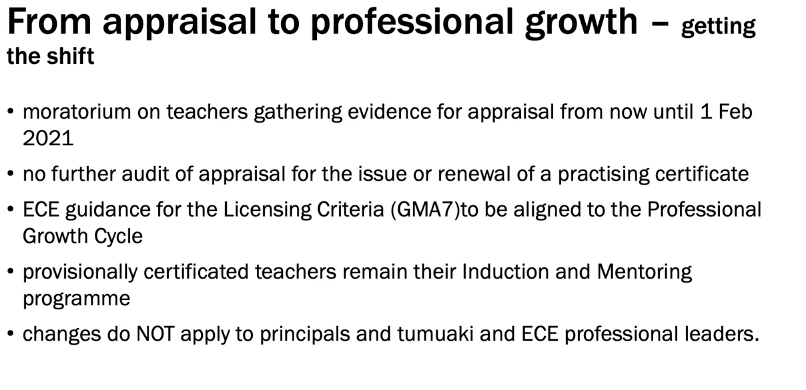
Evidence that is naturally occurring
6 Elements


You and your teachers, what do you know have helped your teachers? What difference were made for learners?
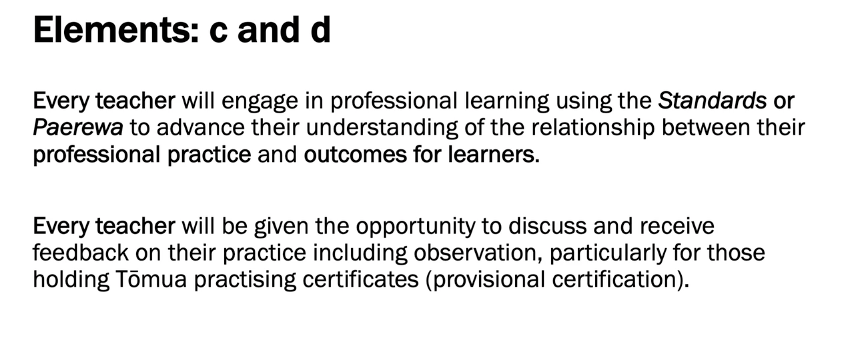
New thinking, innovations and solutions
Discuss and receive feedback
Amount of the observations are not prescribed

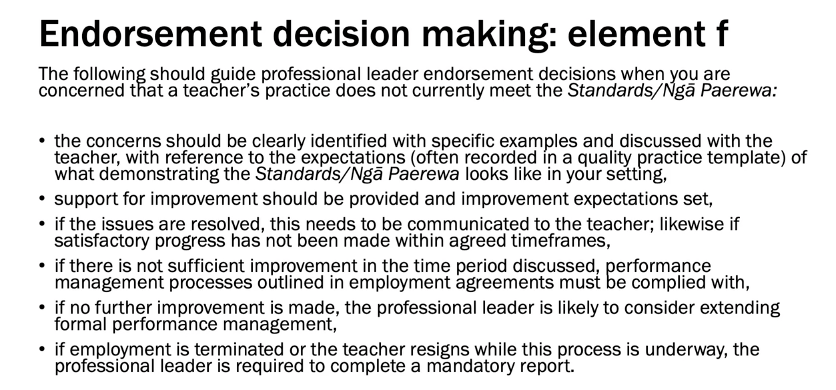
Collecting naturally occurring evidence
System to support new learning
Empower colleague to do observations
Professional growth cycle is Everyday teaching practice
Foster collaborative learning
Understanding standards, Paerewa
Meaningful literacy and maths experiences in play
Knowing the child, group setting, feeling insecure about reading in front of others
The layout of the classroom: where you put your toys and equipment
Routines/Setting up your space
The little living world
Animals, dinosaurs›, dollies
Imagine and create your world
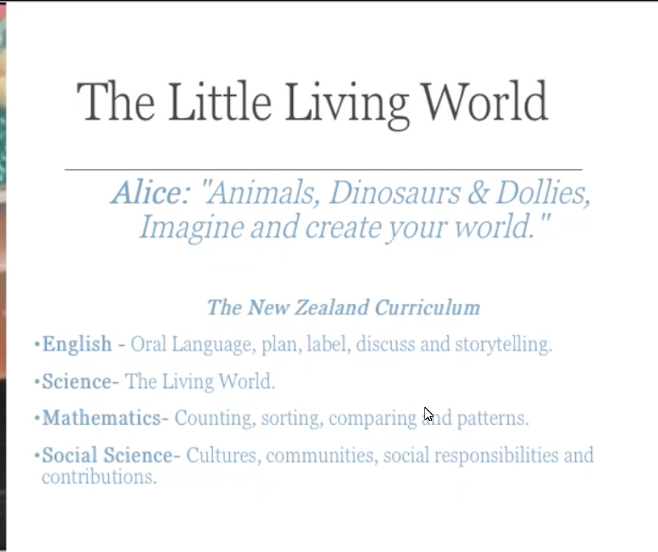
Placemats, cushion covers, books about specific learning
Mix and pour places
Maths
Carparks
Tidying up in a mathematical way (tall blocks, short, shapes)
Baskets of maths
Number candles
Little ideas
Number of the day
Child’s wonderings
Mat time- fun and exciting, taking mat time to places that are the children’s interests
Literacy

Children’s drawings and linking to the curriculum (English)

Arts and literacy are married in some way
Using loose parts
Purpose/Audience/organisation/language
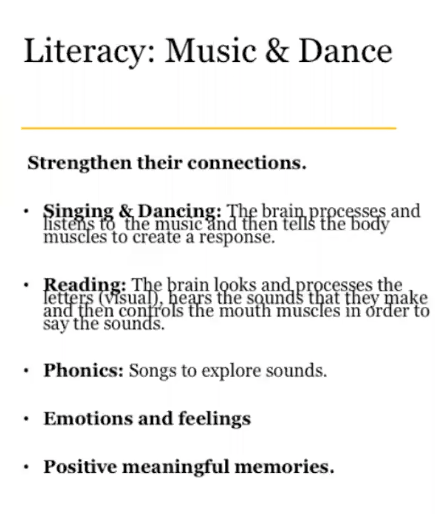
Music and Dance
Music is a language itself.
When you compare singing and reading, there is not much difference
Dancing-gross and fine motor skills
Dramatic play area
Loose fabric
Sunglasses
Headbands
Baskets
Shoes
Accessaries
Stepping into the story
Tiger who came to tea
Range of writing tools, thick crayons, chalk, stamps, large paintbrushes
Envelopes, large pieces of paper, whiteboards
Wednesday, January 20, 2021
Play Therapy
Empowering the child, and the child will have some strategies
A method of helping children with behaviour and emotional problems to help themselves.
Play is the child’s natural medium of self expression.
Therapeutic
Goodman’s strengths and difficulties questionnaire
Retest at 8 weeks, and review and what the next steps are.
Pro social scores go up
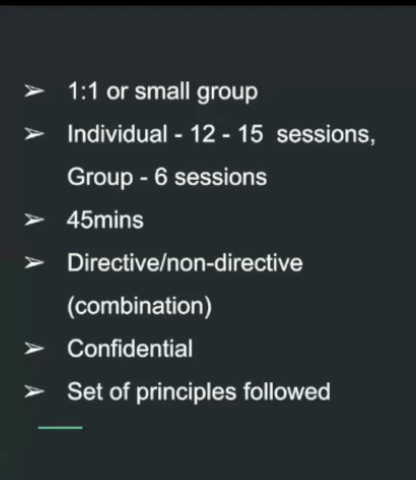
45 minutes
5 minutes left (visuals)
1 minute left and 10 seconds (what were the urgencies before finishing?)
Social coaching in a group as well

Picture books
The colour monster
Hay warrior
Let it go
Relaxations
Finger breathing: Slow controlled breath
Straw and water in a glass
Area of the toolkit
Puppets
Different types of puppets, animals, people
How do we find play therapists?

-
 When we went to the Yolanda phonics course, she talked about a few books that might be helpful to understand how children develop phonologic...
 -
Article by Core Education Engaging junior learners and whānau at home
-
Since I have attended the webinar for writing through play, there has been a great change in children's attitudes towards writing. I fee...