Showing posts with label #Biculturalism. Show all posts

Tuesday, January 19, 2021

Longworth Education Conference: Encouraging the potential of our tauira

 Encouraging the potential of our tauira by Tammy Nepata-Gibbs 


Whare waanaga 

A book called Decolonising maori myths 


Thinking about classroom set up 


Our ways of doing things are the way we need to teach our children 


Multiple intelligences 

Children bringing their gifts to the classroom


Ariki as enablers 
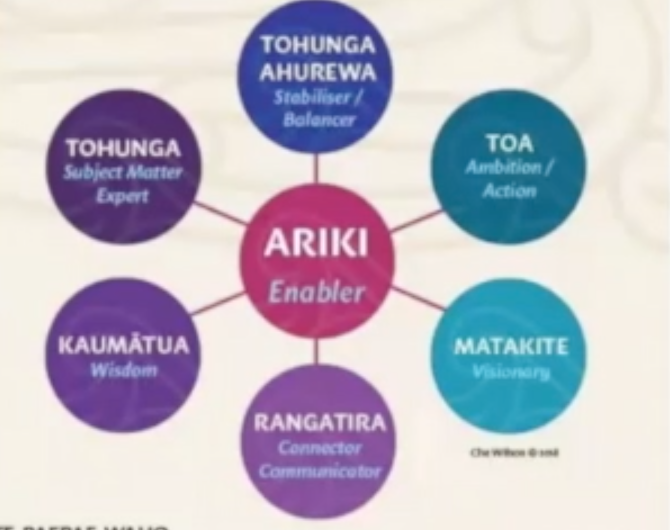

Children were chosen to go to a specific whare 

Knowing what urges are in play 

Skills that we see in our children 

Build on the skills that they already show 


Seeing children of what the children can do 


Observe and build on the skills -appreciative view 


Pūwaiwaha of the classroom 

Multiple pūwaiwaha opportunities 

Think of open ended abilities throughout the curriculum areas 

The single answer to creating multiple ways 


What is my song? Dennis Linn 


Hangarau Technology for children in all aspects 

So many other ways to carry our knowledge, our arts to communicate 


Tukutuku

Moko

Tāmoko 

Kowhaiwhai 

Karakia 

Waiata 


Opportunities to use resources that they can use and manipulate 


Te reo Māori/Tikanga Māori 

Gift them language while they do what they love 


Feeding them the language 

Commenting on what they are doing 


Using te reo through play 

They have a place, purpose 

Teaching Tikanga through play 

Tiaki te mahunga. Look after the head. 


Corrections of Tikanga 


The purpose of knowledge is to pass it on 

You give knowledge and take knowledge 


Tuesday, October 29, 2019

Sharon Holt Workshop

Make breaks after the vowel eg ta/ma/ri/ki Ng - sounds like the end of sing Wh - f sound
Use the ha ka ma song to practice the vowel sounds Ta, te to - flat sound, teeth touching teeth, like you have a pierced tongue ti, tu more like English sounding t eg have a cup of tea for two

    h k m n p r t w ng wh
a
e
i
o
u

Differences in dialects
Whakarongo  (Waikato)
wakarongo
hakarongo    (Taranaki)


Wanganui
Whanganui
Dropping the h even though it is spelt in wh (being respectful using how they say it)

     a    e   i   o  u
a
e
i
o
u
Sing in the tune of twinkle twinkle little star

au-ou

Kōwhai
Kauri
Tōtara


Saturday, June 15, 2019

Class paepae 2


Since we starting incorporating the class paepae into our morning routines, it has been going so wonderfully. The children understand this process and have become more confident about how the paepae is ran and what they need to say. As a part of papepae, children are learning to their mihi. It is a simple mihi to say their name and where they are from. Most of the children are very confident at saying their name using Ko.... ahau. We are learning to say where we are from using No....ahau. 

Celebrating Matariki with whānau

This year, we have celebrated Matariki together with our whānau. We made pizza and had shared kai. Many whanau brought a lot of food for us to share. It was so wonderful to be able to see our whanau, talk to them about their children and enjoy this time where we shared love for each other. We have read the book called "Matariki Breakfast" and from that children have learnt about what people do for Matariki and it is to spend time with the people we love. 

I have asked parents to write down their aspirations for their children on a star shaped piece of paper. This allowed me to know what the parents thoughts and how they want their child to grow into the future. I also thought about including some of these into the report writing highlighting what types of dispositions they have developed over time. 


Parents' aspirations 


Saturday, February 9, 2019

New year and adapting a new routine in the classroom

After listening to Anaru's workshop last year, I really wanted to incorporate his idea about classroom paepae. He explained how clasroom paepae welcomes everyone in the classroom, celebrates the biculturalism, and settle down the children in the morning for learning.

For my new entrant classroom, I wanted it to be simple and easy to learn for the children. I printed out and laminated the labels that said "kaikarakia" and "kaikorero". In the morning, children might express their interests in being these roles, and I help them with the words that they said. Kaikaraki will greet to the children and start the karakia. At this moment, we are learning the karakia. I say one line and the children repeat after me. Kaikorero thanks the kaikarakia and greet to the children and the teacher and do their pepeha.

It has been really wonderful to have this ritual and everyone respects this time. When we did not do the karakia on one morning because we needed to go to the assembly, one child said "Yoshie, you forgot to do the karakia!" so this tells me that it is a part of us and our day and it also reminded me that we need to do this everyday. If we needed to go somewhere, then we will start the paepae a little bit early so we will have enough time to do this.

I am hoping that we will be able to do this without so much of my help later this term or in term 2. I would love to see our children leading the paepae.


Saturday, May 5, 2018

Classroom that reflects bicultural practice

In the PL meeting today, we watched this video on the importance of bicultural practice in Aotearoa school by Janelle Riki-Waaka.

Watching this video really inspired me and made me think about what I do as a teacher to ensure that there is bicultural practice in my classroom, and how much I value and use tikanga and te reo Māori.
In the video, she asks "How would I know that I am in school in Aotearoa?"

Interestingly, I was thinking and reflecting about new Maori children visiting my classroom this morning with their mum. They were participating in our morning at time where I sang many Māori songs and did some dances as usual. I was thinking how the mother felt listening to the songs and watching our children really enjoyed singing and dancing to our kapahaka song. For me, as a teacher, I want to make sure that I create a learning environment that respects and value our Māori heritage by practicing it. On our wall, it is obvious to know that this classroom reflects the biculturalism as our wall display include many Māori words/phrases, and children have understanding of what these represent and the importance of it.

Our children know the school whakatauki "Stand tall, Reach high, Tū tangata, Tū māia", and its meaning and significant linking to the beautiful redwood tree at school. Our children are learning about their pepeha and some of them introduce themselves confidently.

Our children are familiar with ngā ātua Māori, and love listening to 'In the beginning' stories. They have great curiosity in Maori legends' stories and have great understanding of Maui.

I use te reo Māori as much as possible in my class, but I think there is room to strengthen my te reo as well.

Reflecting on this video, what Janelle discusses has really inspired me and really encouraged me to think more reflectively on my bicultural practice and move further within my practice.

I will keep working on an increased use of te reo in my class, introducing new waiata to the children, read te reo Maori books (which our children really enjoy especially the books written by Peter Gossage), and adding more sentences for our pepeha.

Setting up maths success 2022

 Explore the links on the first page  NZ maths have problem solving part  Oral language driving the math  There are different ways to explor...